
Are Bamboo Earrings Sustainable? Materials, Finishes and Packaging Explained
Evidence — Look beyond the material label

Evidence — Look beyond the material label
Bamboo earrings can be a considered choice, but bamboo alone does not make a pair of earrings sustainable. A meaningful assessment needs to look at the full piece: where the bamboo comes from, how it is processed, what fittings and finishes are added, how it is packaged, how long it is likely to be used and what happens at the end of its life.
That distinction matters because the word “bamboo” can describe a renewable plant material, a processed derivative or simply a bamboo-inspired appearance. Sustainability begins with knowing what the product actually is.
Are Bamboo Earrings Sustainable?
The most accurate answer is: they can be, but the material name is only the starting point.
Bamboo is a rapidly growing plant with the potential to provide renewable material when it is responsibly managed. The Food and Agriculture Organization of the United Nations describes bamboo as one of the fastest-growing plant groups and highlights its potential in carbon sequestration, land restoration and multiple material uses.
That does not mean every product containing bamboo has the same environmental profile. Harvesting practices, land management, transport, energy use, processing, adhesives, coatings, metal parts and packaging can all change the picture.
This is why a useful sustainability claim should explain more than the presence of a natural material. As discussed in What Is Ethical Jewellery? Materials, Makers and Sustainability Explained, natural origin and responsible production are related questions, but they are not the same question.
Start with What the Earrings Are Actually Made From
Before assessing environmental impact, identify the materials in the whole pair rather than focusing only on the largest visible component.
Check the Main Body
Real bamboo earrings use bamboo as part of their physical structure. Depending on the design, the material may be cut, carved, bent, divided into fine strips or woven into a more open form.
That is different from metal jewellery designed with a bamboo-like segmented surface. If the material itself matters to your purchase, read the complete product description rather than relying on the word “bamboo” in the title.
The distinction is explained in more detail in Bamboo Earrings Explained: Real Bamboo vs Bamboo-Style Hoops.
Check the Findings and Decorative Components
A pair of earrings is rarely made from only one material. Hooks, posts, jump rings, stone settings and decorative elements may introduce metals, plating or other components.
This does not automatically make a piece unsustainable. It does mean that a claim such as “100% biodegradable earrings” cannot be inferred simply because the visible body is bamboo.
A clearer description identifies the bamboo body and the other components separately so that the buyer can understand what the complete piece contains.
Where the Bamboo Comes From Matters
Renewability and responsible sourcing are not interchangeable.
Bamboo can regenerate quickly, but responsible sourcing still depends on how land is managed, how the material is harvested and how clearly its origin can be traced. A broad statement such as “made from sustainable bamboo” is more useful when it is supported by specific information about the source or the standard behind the claim.
If a certification or sourcing standard is mentioned, check exactly what it applies to. It may cover the raw material, a particular supplier or a specific stage of the chain rather than every component in the finished jewellery.
For buyers, specific provenance is more informative than a general green adjective.
Processing Can Change the Environmental Picture
The environmental story of bamboo jewellery continues after harvesting.
Preparation and Forming
Bamboo used for jewellery may need to be split, refined, shaped, woven, dried, smoothed and assembled before it becomes wearable. Each method creates a different relationship between material, labour, energy and waste.
Handwoven construction, for example, begins with prepared bamboo strips rather than a finished synthetic sheet. You can see the sequence from material preparation to shaping and finishing in How Handwoven Bamboo Earrings Are Made.
The important point is not to assume that “handmade” automatically means low impact. The useful questions are what processes are used, what materials are added and how much information the maker provides.
Adhesives, Finishes and Coatings
Finishing deserves particular attention because it is easy to oversimplify.
Some bamboo jewellery may use an oil, sealant, coating, dye, adhesive or polished surface treatment. A finish is not automatically negative: in some designs, an appropriate finish may help protect the material and support longer use. But its composition, application and end-of-life implications still matter.
When a brand describes a piece as natural, eco-friendly or biodegradable, it should be clear whether that description refers to the bamboo itself or to the complete finished product.
Packaging Is Part of the Sustainability Question
Packaging does not determine whether jewellery is sustainable, but it is part of the overall product system.
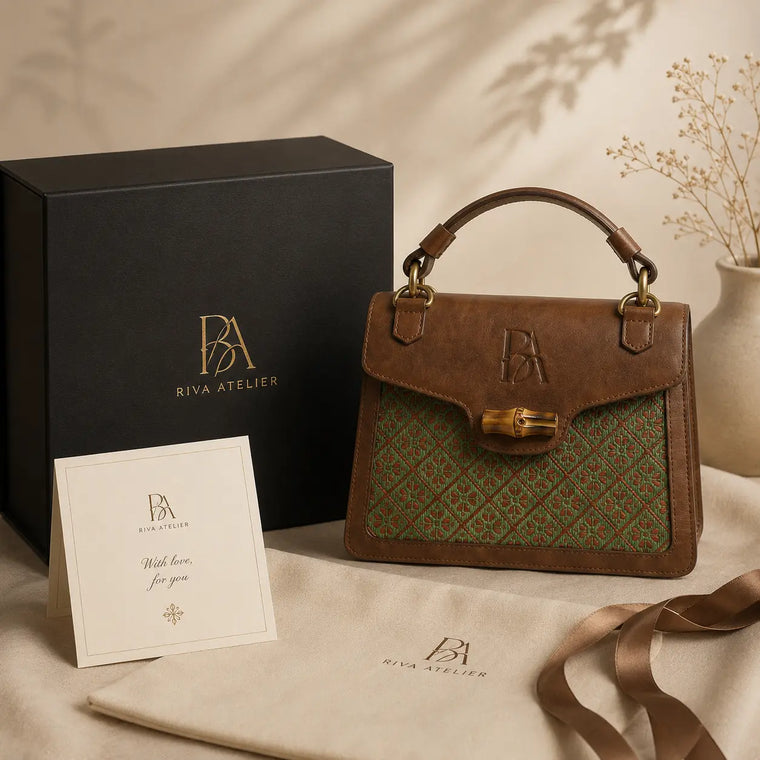
A small pair of earrings can arrive with cards, boxes, pouches, tissue, protective inserts, plastic sleeves and shipping materials. The amount and type of packaging therefore matter alongside the jewellery itself.
A practical assessment looks for packaging that is proportionate to the product, avoids unnecessary layers and gives clear information about material and disposal where relevant.
Terms such as “plastic-free”, “recyclable” or “recycled” should also be specific. A recycled paper box, for example, does not automatically mean that every part of the packaging system is recycled or recyclable.
Durability and Care Also Matter
Sustainability is not only about what a product is made from on the day it is purchased. How long it stays in use also matters.
A well-kept piece that is worn repeatedly has a different use story from an accessory that is quickly damaged, discarded or replaced. Construction quality, storage and care therefore belong in the same conversation as material choice.
Natural bamboo should generally be protected from prolonged moisture, soaking and harsh treatment. A surface finish should not automatically be interpreted as waterproof. For practical guidance, read Can Bamboo Earrings Get Wet?.
This is also why exaggerated sustainability promises can be unhelpful. A product is not environmentally preferable simply because it can be described as natural; it should also be suitable for its intended use and cared for in a way that supports its useful life.
How to Spot Greenwashing in Bamboo Jewellery
The strongest environmental claims are usually the most specific.
The UK Green Claims Code asks businesses to make environmental claims that are truthful, clear, substantiated and meaningful, while considering the full life cycle of the product or service where relevant.
For bamboo jewellery, that makes broad phrases such as “100% eco-friendly”, “zero impact” or “fully biodegradable” difficult to evaluate unless the seller explains what the claim covers and provides evidence for the complete product.
Look for a Precise Material Description
A useful description tells you whether the main body is real bamboo and identifies important additional materials such as hooks, posts, plating, stones or connecting components.
Look for Evidence Behind Environmental Language
If the seller uses terms such as sustainable, responsibly sourced, recycled, plastic-free or biodegradable, look for an explanation of what specifically supports the claim.
Look for Information About Finishing
A product page should make it possible to understand whether the surface has been dyed, coated, sealed, polished or otherwise treated when that information materially affects care or environmental claims.
Look at Packaging Separately
Packaging claims should be clear about which components are recycled, recyclable, reusable or plastic-free rather than treating the whole order as one undifferentiated material.
Look for Care Information
Care instructions are a useful sign that the maker has considered the product beyond the point of sale. They also help the buyer use the piece as intended rather than treating a natural material as indestructible.
Is Bamboo Automatically More Sustainable Than Metal or Plastic?
No single material wins every comparison.
A meaningful comparison has to consider the same function and the same product life. A bamboo earring, a plated metal hoop and an acrylic earring may differ in raw material, manufacturing, transport, finishing, durability, repairability and disposal.
Bamboo has the advantage of beginning as a renewable plant material, but that advantage should not be stretched into a universal claim about every finished bamboo product.
The better question is not “Which material is always sustainable?” but “What is this particular piece made from, how was it made, and is the environmental claim supported by enough information to judge it?”
What a More Responsible Bamboo Jewellery Description Looks Like
A stronger product description replaces vague environmental language with facts.
Instead of relying on a phrase such as “eco-friendly bamboo earrings”, it can explain that the main structure is made from real bamboo, identify the metal used for the fittings, describe how the surface is finished, state any verified sourcing information, explain the packaging and provide appropriate care instructions.
That approach gives the customer something they can assess. It also leaves room for the limits and trade-offs that exist in any physical product.
For Bamboura, this evidence-first approach is more useful than treating “bamboo” as a sustainability shortcut. The material, the craft and the complete construction should remain visible in the description.
Frequently Asked Questions
Are Bamboo Earrings Eco-Friendly?
They can have environmental advantages, particularly when real bamboo is responsibly sourced and the finished product avoids unnecessary materials and processing. However, “eco-friendly” is too broad to infer from bamboo alone. Check the complete material composition, sourcing, finish, packaging and expected use.
Are Bamboo Earrings Biodegradable?
Not necessarily as a complete pair. Natural bamboo is plant material, but finished earrings may also contain metal hooks, plating, adhesives, coatings, stones or other components. Any biodegradability claim should specify which part of the product it refers to and under what conditions.
Do Coatings Make Bamboo Earrings Unsustainable?
Not automatically. A finish may affect environmental impact, but it may also help protect a surface or extend useful life. The relevant questions are what the finish is, why it is used and whether broad environmental claims account for it.
Is Handmade Bamboo Jewellery More Sustainable?
Handmaking can reduce reliance on some forms of mass production and can preserve skilled craft, but “handmade” is not itself proof of environmental performance. Material sourcing, processing, waste, added components, transport and durability still need to be considered.
What Should I Check Before Buying Sustainable Bamboo Earrings?
Start with the exact material description. Then look for information about bamboo sourcing, hooks and fittings, finishes or coatings, packaging, care and any environmental claims. Specific facts are more useful than a collection of broad green labels.
A Better Question Than “Is Bamboo Sustainable?”
Bamboo earrings should not be judged by a single word on a product page. Bamboo can provide a renewable natural material, but the sustainability of jewellery depends on what happens before and after the bamboo enters the design.
The most credible approach is transparency: identify the material, explain the process, name the additional components, describe the finish, keep packaging claims specific and give the customer enough information to care for the piece properly.
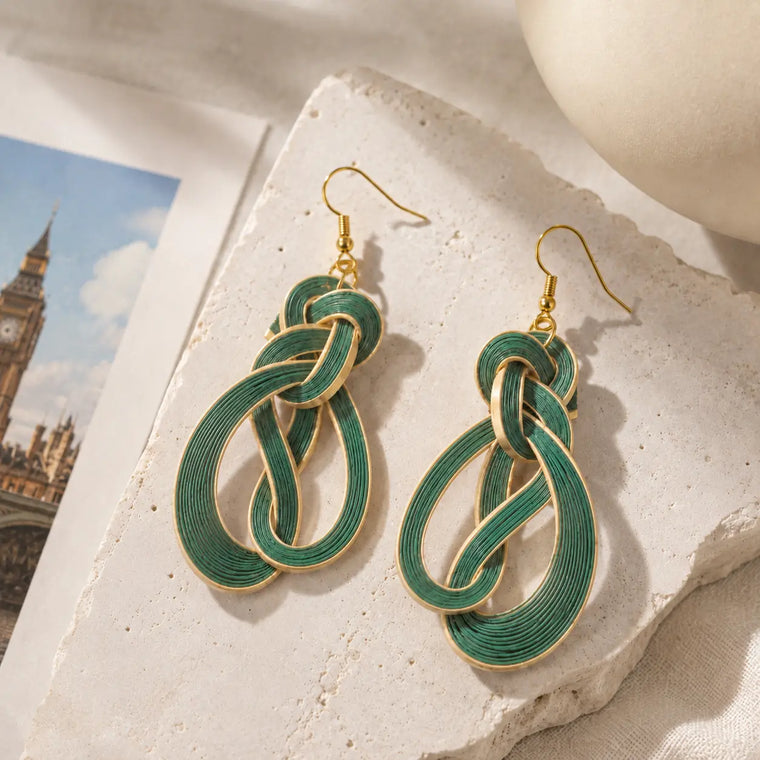
Explore Bamboura’s handwoven bamboo earrings to see how real bamboo, visible structure and contemporary form come together in wearable jewellery.
Bamboura
A modern bamboo atelier reimagining bamboo craft through contemporary design.
Email: service@bamboura.co.uk
Phone: +44 7962883533 (Mon-Fri 10:00-15:00 GMT)
BAMBOURA LTD