
Why Bamboo is the Ultimate Sustainable Material
Material — The Strength Inside Bamboo

Bamboo may look simple from the outside, but its structure is remarkably considered by nature. Behind the smooth surface is a layered material with strength, flexibility and rhythm built into its form.
For bamboo craft, this matters. The way a bamboo stalk grows affects how it can be cut, split, softened, shaped and woven by hand.
At Bamboura, we are interested in this quiet relationship between material and making. Understanding the structure of bamboo helps explain why it can become accessories that feel light, natural and refined.
Bamboo Is More Than a Simple Plant
Bamboo is one of the most important natural materials in traditional weaving. In craft, artisans do not use the plant randomly. They select and prepare specific parts of the bamboo according to their structure and performance.
The main part used in bamboo weaving is the stalk, also known as the culm. It is the tall, straight section most people recognise when they think of bamboo.
This stalk gives bamboo its craft potential. Its long fibres, hollow form and natural sections allow it to be transformed into fine strips suitable for weaving.
Understanding the Bamboo Stalk
A bamboo stalk is not a plain wooden pole. It is a hollow tube divided by natural rings, known as nodes. The space between two nodes is called the internode.
This structure helps bamboo stay both strong and flexible. In nature, it allows the plant to stand upright while still bending with wind and weather.
For craft, the same structure is important. The straight sections between nodes provide useful material for splitting, preparing and weaving into regular bamboo strips.
The Three Layers Inside Bamboo
When bamboo is cut across the stalk, its wall reveals different layers. In traditional bamboo craft, these are often understood as the outer green layer, the middle bamboo flesh and the inner membrane.
The outer layer, often called bamboo green, is smooth, elastic and strong. It helps protect the plant and gives the material much of its surface strength.
Beneath it sits the middle layer, where the fibres and vascular bundles give bamboo its flexibility and inner support. The innermost membrane is softer and more fragile, playing a role in the plant’s growth rather than in the visible surface of a finished accessory.
Why the Outer Layer Matters in Craft
The outer skin of bamboo is especially valued because it is naturally strong and resilient. It has a smooth surface and good resistance to pulling and pressure compared with the inner layers.
This does not mean bamboo should be treated as a replacement for metal. Its beauty is different. Bamboo offers a lighter, warmer and more organic kind of strength.
For accessories, this is important. The material can carry structure without feeling heavy, allowing a handwoven piece to feel both delicate and composed.
How Bamboo Becomes Fine Weaving Strips
One reason bamboo works so well for weaving is the direction of its fibres. They run naturally along the length of the stalk, which allows skilled artisans to split bamboo into long, fine strips.
These strips can then be prepared, refined and woven into different patterns. The quality of the finished piece depends heavily on how well the material has been selected and processed.
This is why bamboo weaving is never only about the final pattern. It begins much earlier, with the choice of bamboo, the understanding of its layers and the preparation of each strip.
Why This Matters for Modern Accessories
Modern accessories need more than surface decoration. They need material character, comfort and structure.
Bamboo brings all three. It has a natural texture that feels warm and tactile, a lightness that supports daily wear, and a structural logic that makes handwoven pieces visually distinctive.
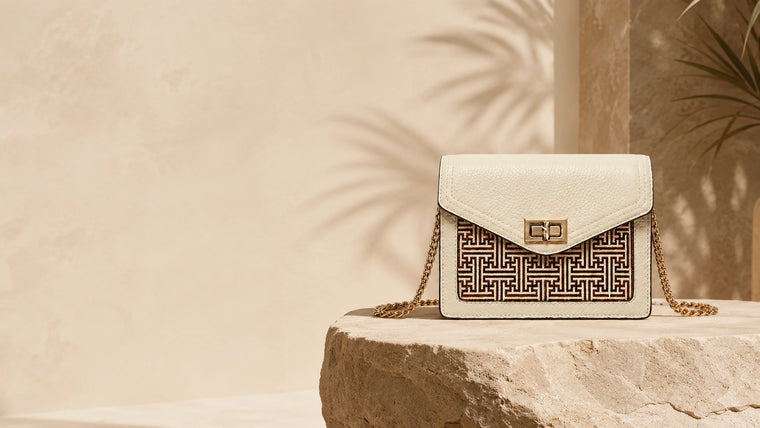
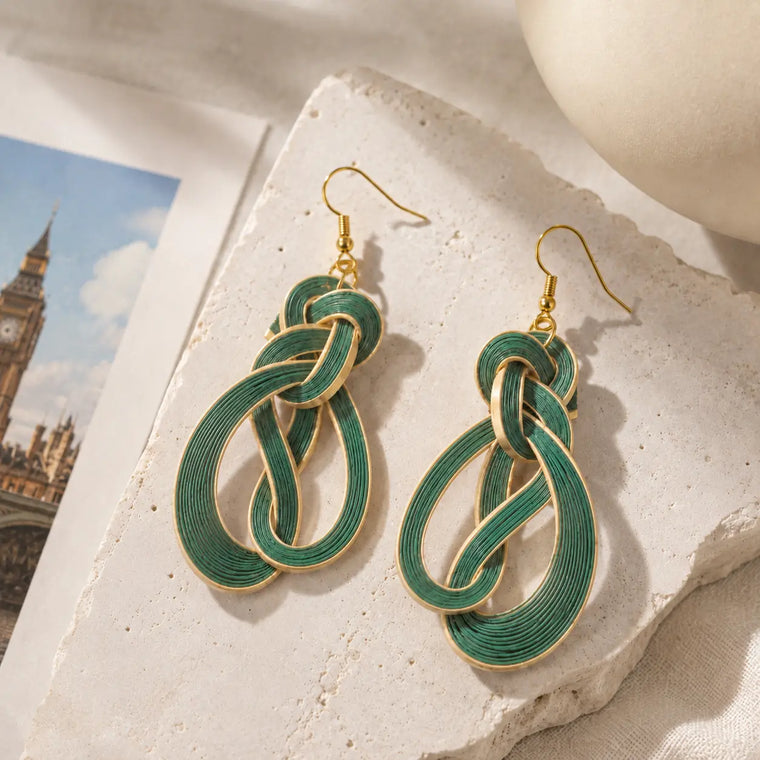
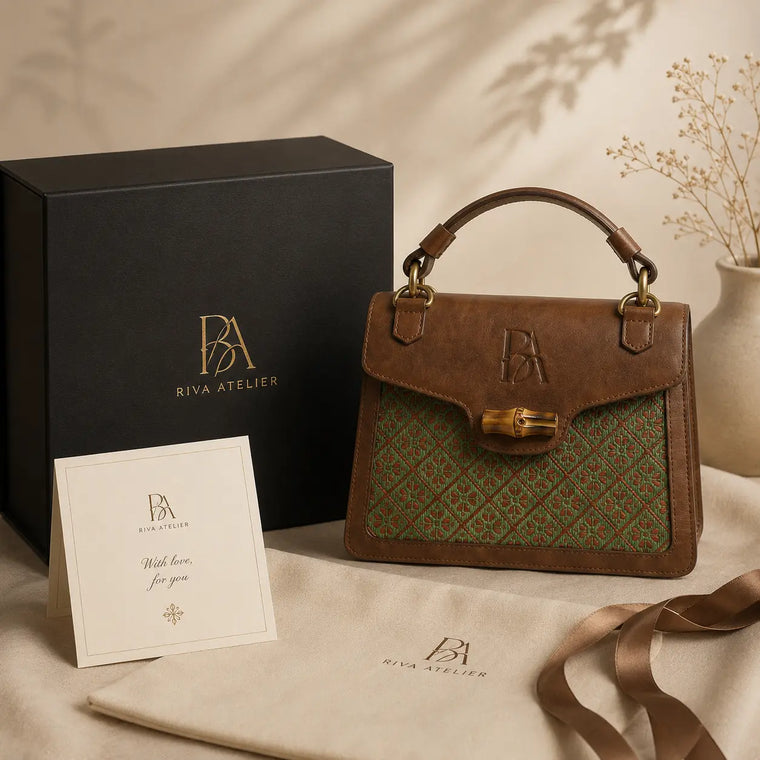
This is why Bamboura continues to explore bamboo in refined accessories. You can see this material language in the Bamboura Earrings collection, where bamboo is shaped into lightweight wearable forms, and in the Bamboura Handbags collection, where structure and craft become part of the design.
How Bamboura Reads Bamboo as a Material
At Bamboura, bamboo is not treated as a decorative surface. It is a material with its own rhythm, strength and limitations.
The outer layer, the fibres, the hollow structure and the natural nodes all influence how bamboo can be shaped. Instead of forcing the material into an artificial form, we work with what it already offers.
This is where craft becomes quiet luxury. The value is not only in how the finished accessory looks, but in how carefully the material has been understood.
The strength of bamboo begins long before it becomes an accessory. It begins inside the stalk, in the fibres, layers and natural structure shaped by growth.
For Bamboura, this hidden structure is part of the beauty. By reimagining bamboo through handwoven earrings, handbags and future bespoke pieces, we bring a traditional material into modern life with lightness, texture and quiet refinement.
Bamboura
A modern bamboo atelier reimagining bamboo craft through contemporary design.
Email: service@bamboura.co.uk
Phone: +44 7962883533 (Mon-Fri 10:00-15:00 GMT)
BAMBOURA LTD