What Is Bamboo Weaving? A Simple Guide to the Craft
Craft — The Structure Behind Bamboo Weaving

Craft — The Structure Behind Bamboo Weaving
What Does Bamboo Weaving Actually Mean?
Bamboo weaving is the craft of turning prepared bamboo strips into functional or decorative objects through repeated weaving patterns. Instead of being moulded or cast, the material is built by hand, strip by strip.
At its core, bamboo weaving is about structure. A woven surface is created through order and repetition, which is why bamboo objects often feel calm, balanced and naturally architectural.
In traditional craft, bamboo weaving has been used for baskets, trays, boxes, screens and many other objects. Today, the same structural logic can also be reimagined in contemporary accessories and design pieces.
If you would like to learn more about the story behind our material approach, you can explore About Bamboura.
How Bamboo Weaving Is Built
The most fundamental bamboo weaving logic is a simple over-under movement. In traditional technical terms, this is often described as a sequence of alternating passes that create the woven surface.
That basic action may sound simple, but it is what gives bamboo weaving its strength, rhythm and visual clarity. When repeated with precision, it forms patterns that are both practical and beautiful.
By adjusting how the strips cross, artisans can create different densities, textures and visual effects. This is why one woven surface can feel airy and delicate, while another feels tighter, firmer and more structured.
Why Different Weave Structures Matter
Not all bamboo weaving looks the same, because not all weave structures are the same. Traditional bamboo craft includes a wide range of methods, from straightforward cross-weaves to more decorative and complex pattern structures.
Some weaves create a neat geometric surface. Others produce a more open pattern that lets light and air pass through. Some are used for flat planes, while others help a piece curve, rise or hold its shape.
This structural variety is one reason bamboo craft feels so rich. The pattern is never only visual. It also affects weight, flexibility, strength and how the final object behaves in use.
Why Bamboo Works So Well for Modern Accessories
Bamboo is especially interesting in accessories because it combines visual texture with natural lightness. A well-made woven piece can feel airy without looking fragile, which makes it ideal for jewellery and smaller fashion objects.
That balance matters in everyday wear. People often want accessories that feel distinctive, but still comfortable enough to use regularly. Handwoven bamboo offers exactly that: character, texture and craft, without unnecessary heaviness.
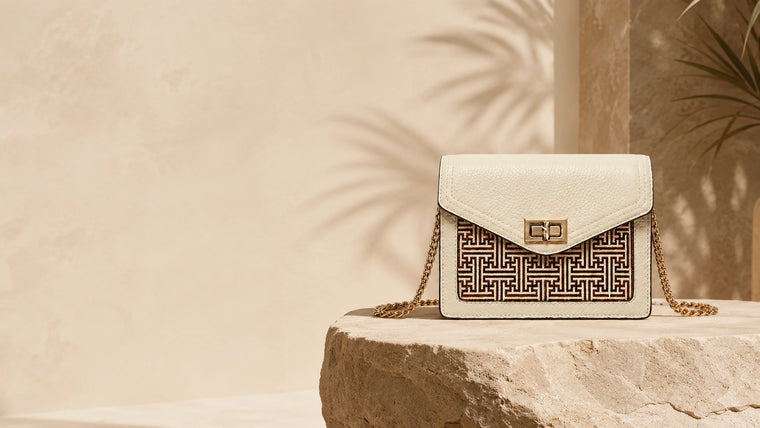
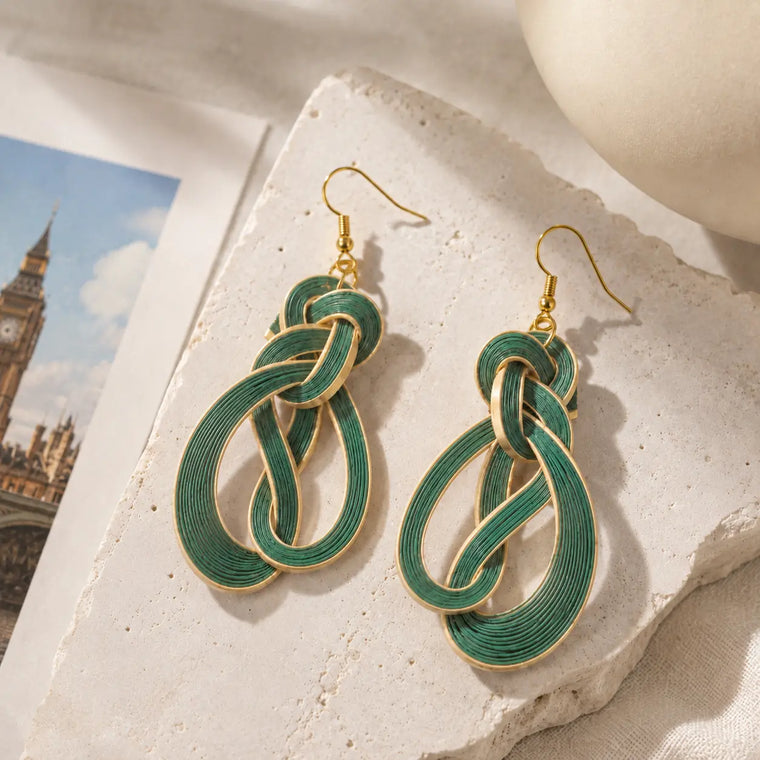
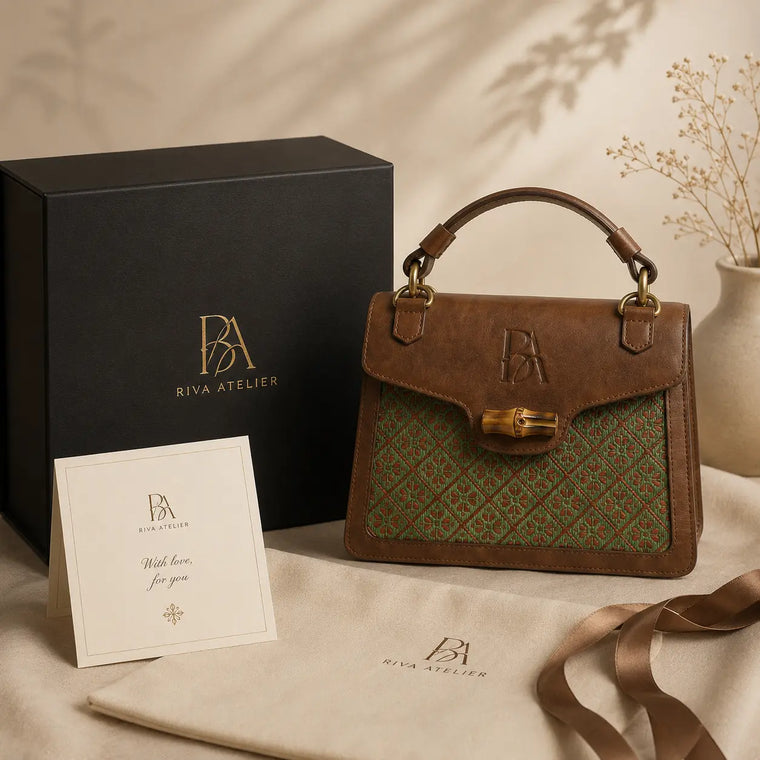
This is one reason bamboo works so beautifully in modern collections. You can see how this translates into wearable design in our Earrings collection and Handbags collection.
How Bamboura Reimagines Bamboo Weaving Today
At Bamboura, we see bamboo weaving not as a nostalgic craft frozen in time, but as a living material language. Traditional making principles still matter, especially the discipline, patience and structural logic behind every woven form.
What changes is the expression. Rather than producing purely utilitarian objects, we reinterpret bamboo weaving through a more contemporary lens, focusing on refined accessories for modern life.
The result is a different kind of craft story: one rooted in heritage, yet designed for today. Our aim is not only to preserve bamboo weaving, but to let it feel relevant, elegant and quietly distinctive again.
Bamboo weaving is easy to admire on the surface, but its true beauty lies in the structure behind it. Every woven piece begins with a simple logic and grows into something shaped by skill, rhythm and care.
That is the spirit we value at Bamboura. Through handwoven bamboo earrings, handbags and bespoke pieces, we continue to explore how traditional craft can become part of contemporary life in a softer, lighter and more refined way.
A modern bamboo atelier reimagining bamboo craft through contemporary design.
Email: service@bamboura.co.uk
Phone: +44 7962883533 (Mon-Fri 10:00-15:00 GMT)
BAMBOURA LTD