
Tonkin Cane and Regional Bamboo: Choosing Materials for Handwoven Accessories
Materials — Choosing Bamboo for Structure and Fine Weaving

Materials — Choosing Bamboo for Structure and Fine Weaving
Not every bamboo culm behaves in the same way. Some varieties offer the firmness required for structured forms, while others can be divided into finer, more flexible strips for detailed weaving.
This difference matters in the creation of handwoven bamboo accessories. A structured handbag, a curved handle and a delicate woven earring each place different demands on the material.
At Bamboura, material selection is not separate from design. Understanding the character of the bamboo is the first step towards creating a refined finished form.
Why Bamboo Species Matter in Handwoven Craft
Bamboo is often discussed as though it were one uniform material. In reality, different varieties, growing conditions, ages and sections of the culm can produce noticeably different working qualities.
The thickness of the bamboo wall, the distance between its nodes and the density of its fibres all influence how the material can be divided, shaped and woven.
Even within a single culm, the outer layers are generally denser and firmer than the material closer to the inner wall. Skilled artisans can use these differences when preparing bamboo strips for specific purposes.
This is why bamboo should not be selected by species name alone. The individual culm must also be examined for straightness, consistency, flexibility and suitability for the intended design.
Tonkin Cane and the Value of a Straight Culm
Tonkin cane is a name associated with straight, workable bamboo used across a range of traditional crafts.
Its value lies in the relationship between firmness and flexibility. A relatively straight culm can be divided into more consistent sections, while controlled elasticity allows the prepared bamboo to respond to shaping.
Consistency is especially important in bamboo craftsmanship. When neighbouring strips vary significantly in thickness or flexibility, maintaining an even woven surface becomes more difficult.
Carefully selected Tonkin cane may therefore be suitable for defined edges, structural details and accessories that require a clean, composed silhouette.
It is not valuable because it is automatically superior to every other variety. Its value comes from how well its natural characteristics match the intended form.
Regional Bamboo and Different Design Needs
Bamboo weaving developed across many regions, with artisans learning to work with the materials available in their local environment.
Names such as Tonkin cane, Ci bamboo and green-skin bamboo may appear in traditional or translated craft sources. These names can represent regional varieties or established material categories rather than universally standardised botanical terms.
For the artisan, the most important question is how the bamboo performs.
A culm with a thicker wall may offer useful firmness for a structured frame. A more flexible variety may be divided into finer layers for detailed handweaving. Longer internodes can provide more continuous material between the natural joints.
Rather than using one type of bamboo for every purpose, skilled makers match the material to the scale, tension and structure of the accessory.
From Bamboo Culm to Prepared Weaving Strip
A bamboo accessory begins with a solid culm rather than a ready-made textile fibre.
The culm is cut into workable sections and divided along the direction of its natural fibres. These sections are gradually split into narrower strips before being refined to the required width and thickness.
This process demands precision. A bamboo strip intended for a structural edge cannot be prepared in exactly the same way as one intended for a delicate woven surface.
Artisans smooth, thin and sort the strips so that the materials placed beside one another respond consistently during weaving. Moisture and drying must also be managed carefully because natural bamboo continues to react to its surrounding environment.
Much of the craftsmanship is therefore already present before the visible weaving begins.
Learn more about the complete process in What Is Bamboo Weaving? A Simple Guide to the Craft.
Structure for Handbags, Fineness for Earrings
Different accessories require different expressions of bamboo.
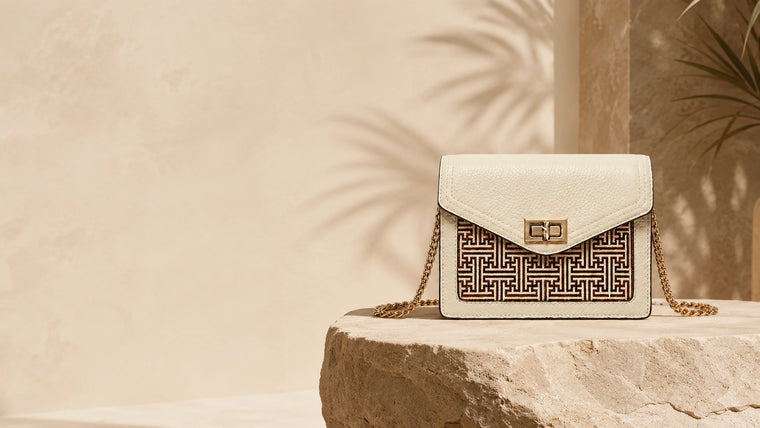
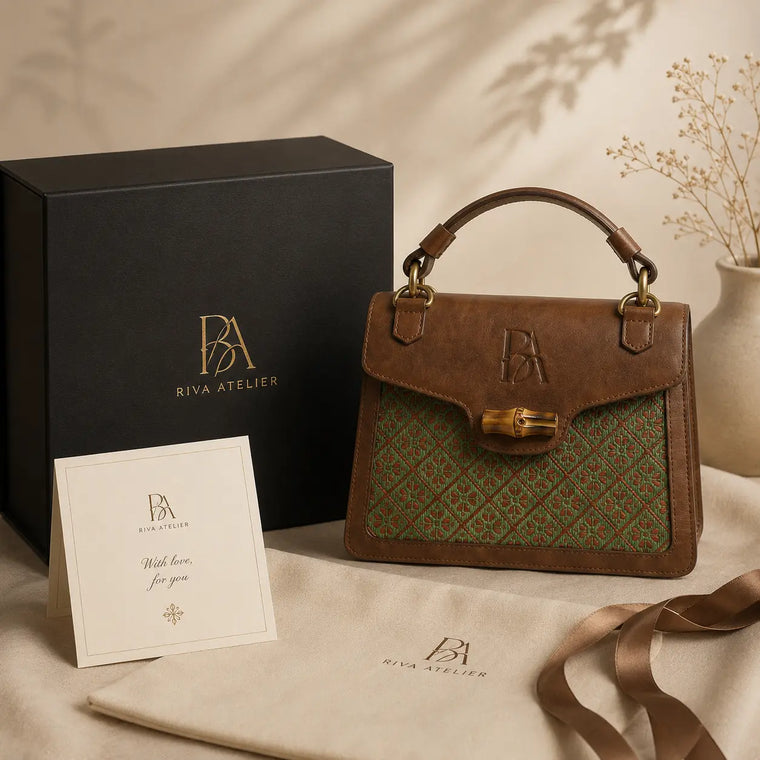
A structured bamboo handbag needs enough firmness to retain its silhouette. The selected strips, borders and supporting elements must work together to create a composed form without making the design feel unnecessarily heavy.
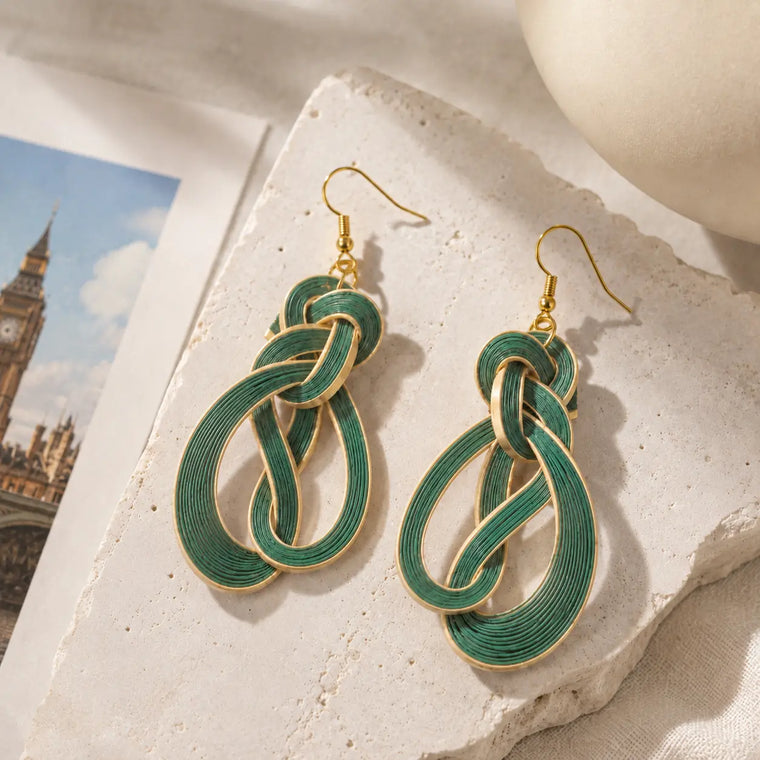
A pair of handwoven bamboo earrings operates at a much smaller scale. The design requires finer strips, controlled tension and precise finishing so that the woven detail remains visible without adding excessive bulk.
This contrast demonstrates why material selection cannot be separated from product design.
The same natural material can become a sculptural handbag or a lightweight statement earring, but only when its thickness, flexibility and woven structure are adapted to the intended form.
Explore the different applications of bamboo through the Bamboura Handbags collection and the Bamboura Earrings collection.
Material Transparency in Modern Bamboo Craft
Material transparency is particularly important when discussing bamboo.
In fashion, the word “bamboo” can refer to solid bamboo, prepared bamboo strips, regenerated bamboo viscose or metal jewellery designed to resemble bamboo. These materials are not interchangeable.
Bamboura’s handwoven bamboo accessories use real bamboo prepared into structural and weaving elements. They are different from bamboo-pattern metal jewellery and from textiles made using regenerated bamboo pulp.
Clear language allows customers to understand what they are wearing, how the material has been prepared and what kind of craftsmanship the accessory represents.
It also allows natural materials to be discussed honestly, without relying on broad environmental claims based only on the word “bamboo”.
How Bamboura Approaches Regional Bamboo Knowledge
For Bamboura, regional bamboo knowledge is not simply a list of unusual species names. It is a practical understanding of fibre, density, flexibility and form.
The artisan must decide which section of the material is suitable, how finely it should be divided and how it should be shaped or woven.
Tonkin cane and other regional bamboo varieties demonstrate an important principle: natural materials create their most refined results when the design responds to their individual characteristics.
A handwoven bamboo accessory begins with this relationship between material and maker. The finished piece may appear quiet and effortless, but behind it lies a precise sequence of selection, preparation and construction.
Bamboura
A modern bamboo atelier reimagining bamboo craft through contemporary design.
Email: service@bamboura.co.uk
Phone: +44 7962883533 (Mon-Fri 10:00-15:00 GMT)
BAMBOURA LTD