
How Seasons and Sunlight Shape Bamboo Craft
Season — The Timing Behind Bamboo Craft

Season — The Timing Behind Bamboo Craft
The quality of a bamboo accessory begins long before the weaving starts. It begins with the plant itself: where it grows, when it is harvested and how much water it carries inside the stalk.
Bamboo may look consistent from the outside, but its craft quality can change depending on season, sunlight and growing conditions. These natural factors influence how the material can be split, dried, shaped and woven.
At Bamboura, this matters because handwoven bamboo accessories rely on more than surface beauty. They depend on a careful understanding of the material before it becomes earrings, handbags or future bespoke pieces.
Why Harvest Season Matters in Bamboo Craft
In traditional bamboo craft, timing is an important part of material selection. Bamboo harvested in different seasons can contain different levels of moisture and natural sugars.
When bamboo carries too much moisture, it can be harder to dry and more difficult to prepare for fine weaving. If the material is not carefully handled, it may also become more vulnerable to insects, mildew or unwanted deformation.
This is why artisans often pay close attention to harvest timing. The goal is not simply to cut bamboo when it is available, but to choose material that can become stable, refined and suitable for long-term craft use.
The Difference Between Winter Bamboo and Spring Bamboo
Bamboo harvested during colder months is often valued because it tends to contain less moisture. With lower moisture and less active growth, the material can be easier to preserve and more suitable for careful processing.
Spring bamboo, by contrast, can contain more water and active plant sugars. This does not make it useless in every context, but it may be less ideal for fine bamboo weaving if the goal is stability, durability and clean preparation.
For artisan bamboo handbag craftsmanship, this difference matters. A structured woven piece needs bamboo strips that can hold form, respond well to shaping and remain reliable after drying.
How Sunlight Affects Bamboo Quality
Where bamboo grows also influences how it behaves. Bamboo from sunnier, more exposed environments can develop a firmer and more resilient character, while bamboo from shaded, damp environments may have a softer internal structure.
This is not only a botanical detail. For craft, it affects how bamboo feels under the hand and how it responds during splitting and weaving.
A refined accessory begins with this kind of selection. The material must be strong enough to hold structure, yet flexible enough to be shaped into lightweight bamboo accessories.
Why Moisture Content Changes the Material
Moisture is one of the most important factors in bamboo preparation. When bamboo contains too much water, it may shrink, deform or crack as it dries.
Traditional bamboo craft therefore pays close attention to drying and preparation. The aim is to let the material become stable before it is shaped into fine strips.
This process is part of what separates true handwoven bamboo accessories from simple decorative bamboo products. The beauty of the finished piece depends on patience at every stage.
How Natural Colour Develops Over Time
Bamboo colour is also shaped by age, light and preparation. Young bamboo often appears greener, while more mature or dried bamboo may develop warmer yellow, honey or golden tones.
These tones are part of the appeal of natural accessories for women. They feel softer than metal, warmer than plastic and more organic than heavily dyed materials.
At Bamboura, we value this natural colour language. It supports a quiet luxury sustainable fashion UK aesthetic: refined, subtle and grounded in material texture rather than loud branding.
Why This Matters for Modern Accessories
Modern accessories need to feel beautiful, but also considered. The choice of material should support the way a piece looks, feels and wears.
In bamboo craft, season and sunlight are not romantic details. They influence strength, texture, colour and workability. They help determine whether bamboo can become a delicate earring, a structured woven surface or a refined handbag detail.
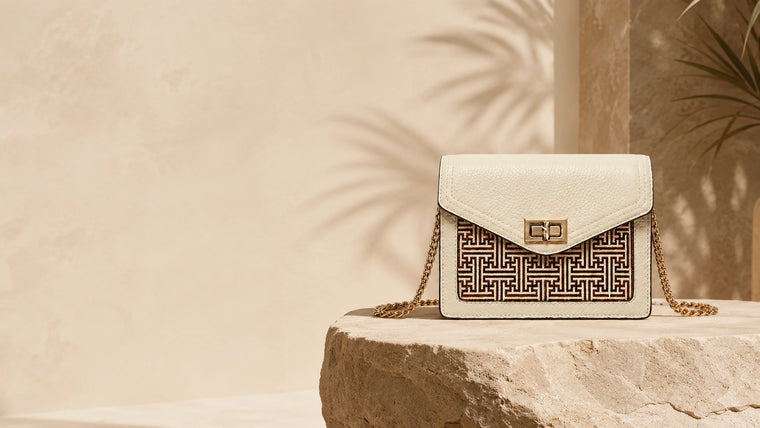
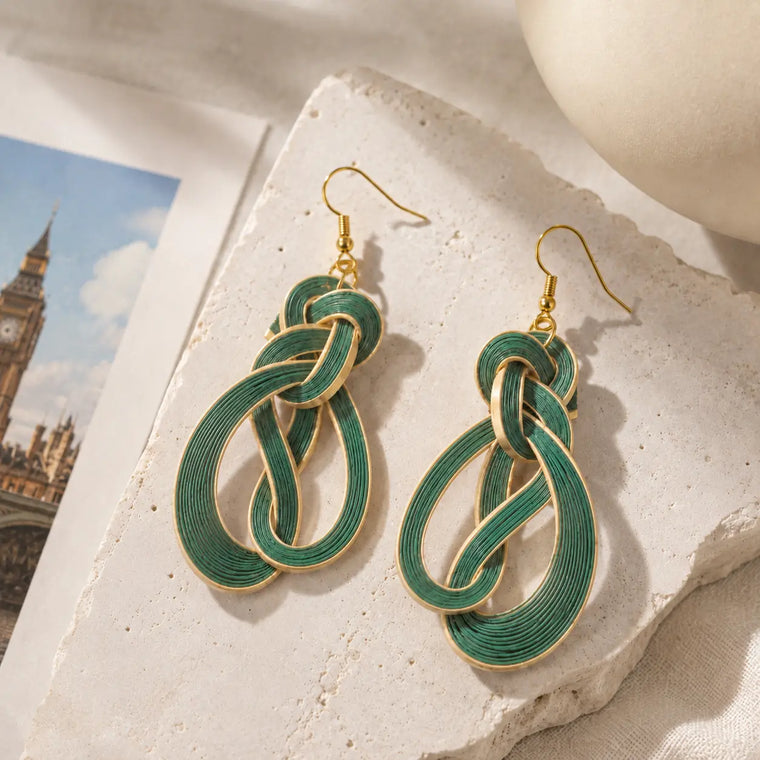
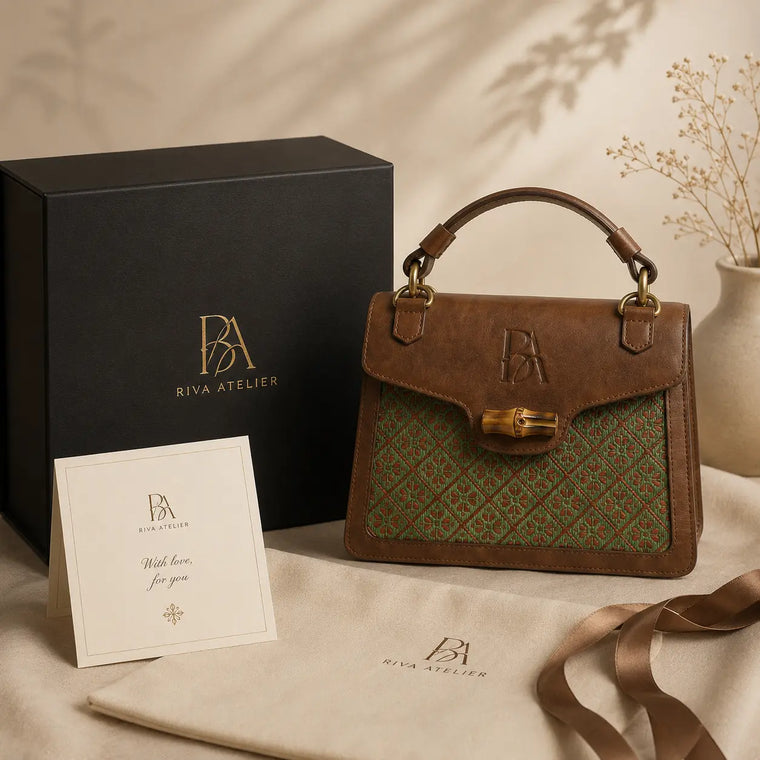
You can see this approach in the Bamboura Earrings collection, where bamboo is interpreted as lightweight wearable form, and in the Bamboura Handbags collection, where structure and craft come together in natural accessories.
How Bamboura Interprets Natural Timing
At Bamboura, we see bamboo as a material shaped by time. Its quality is not created only in the workshop. It begins in the growing environment, in the season of harvest and in the slow process of preparation.
This is why our approach to bamboo is quiet rather than excessive. We do not need the material to look artificial or overly polished. Its value lies in its natural rhythm, strength and texture.
For customers seeking logo-free luxury accessories, this kind of material honesty matters. Bamboo carries a quieter form of refinement: one built through nature, selection and handcraft.
The beauty of bamboo craft begins with timing. Sunlight, season, moisture and age all influence the way bamboo can be shaped into something lasting and refined.
For Bamboura, this is part of the deeper story behind handwoven bamboo accessories. Through earrings, structured bamboo bags UK and future bespoke pieces, we continue to explore how natural materials can become part of modern, quiet luxury.
Bamboura
A modern bamboo atelier reimagining bamboo craft through contemporary design.
Email: service@bamboura.co.uk
Phone: +44 7962883533 (Mon-Fri 10:00-15:00 GMT)
BAMBOURA LTD