
How Artisans Shape and Preserve Bamboo for Modern Accessories
Craft — The Care Behind Bamboo Form

Craft — The Care Behind Bamboo Form
Bamboo may begin as a straight, rigid stalk, but in the hands of an artisan it can become curved, refined and expressive. This transformation is not magic. It is the result of material knowledge, careful shaping and patient preservation.
For handwoven bamboo accessories, the making process begins long before the final weave appears. The bamboo must be selected, prepared, softened, shaped and stored in ways that respect its natural structure.
At Bamboura, this approach matters because bamboo is not treated as a decorative surface. It is a living material language, shaped into natural accessories for women who value texture, lightness and quiet refinement.
Why Bamboo Needs Care Before It Becomes an Accessory
Bamboo is strong, but it is also sensitive to moisture, heat and storage conditions. If it is handled too quickly, dried too harshly or stored in the wrong environment, the material can crack, darken or lose its stability.
This is why traditional bamboo craft begins with preparation. Artisans need to understand how the material behaves before it can become a refined woven surface or a curved structural detail.
For modern handwoven bamboo accessories, this preparation is part of the value. The finished piece may look effortless, but its quiet strength begins with care.
How Heat Helps Bamboo Take Shape
One of the most beautiful qualities of bamboo is that it can respond to controlled heat. When warmed carefully, the material becomes more flexible, allowing artisans to guide it into a new form.
This method can help create curved details, rounded lines and sculptural elements without forcing the bamboo against its nature. The aim is not to disguise the material, but to work with its natural fibre direction.
Once cooled and stabilised, the bamboo can hold its new shape. This is one reason bamboo is so valuable in artisan bamboo handbag craftsmanship, where structure and natural movement need to exist together.
Why Shaping Is Not the Same as Forcing
Good bamboo shaping depends on restraint. If too much pressure is applied, the material may split. If too much heat is used, the surface may become damaged or dry.
The artisan’s role is to read the bamboo carefully. Each stalk has its own density, moisture level, fibre quality and response to movement.
This is what separates true craft from simple decoration. A well-shaped bamboo detail carries the curve of the maker’s hand, but still keeps the honesty of the natural material.
How Preservation Protects Bamboo
Preservation is essential because bamboo continues to respond to its environment even after it has been shaped. Direct harsh sunlight, damp storage and poor airflow can all affect the surface and structure over time.
Bamboo should be kept in a dry, ventilated place, away from prolonged moisture and strong direct heat. This helps reduce the risk of mould, dark spots, cracking or unwanted deformation.
For customers, this is useful to understand. Natural woven products are not difficult to care for, but they do need thoughtful storage and gentle handling.
Why Moisture and Airflow Matter
Moisture is one of the most important factors in bamboo care. Too much moisture can soften the material and encourage mildew, while overly dry conditions can make bamboo more brittle.
Good airflow helps the material remain balanced. This is why raw bamboo is traditionally stored with space around it, allowing air to circulate rather than trapping dampness between pieces.
The same principle applies to finished accessories. A bamboo bag, earring or woven piece should not be sealed away in a damp corner. It should be stored where the material can breathe.
What This Means for Modern Woven Accessories
Modern customers often discover woven materials through raffia bags, basket bags, straw bags or rattan home pieces. Bamboo belongs to the same broader world of natural woven materials, but it has its own structure, texture and craft character.
For Bamboura, bamboo offers a refined alternative to mass-produced summer accessories. It can feel light, natural and sculptural, while still carrying a quiet sense of structure.
This is why bamboo can sit naturally within quiet luxury sustainable fashion UK. It does not need loud branding. Its beauty comes from material honesty, handwork and texture.
How to Care for Handwoven Bamboo Accessories
To care for bamboo accessories, keep them away from long periods of harsh direct sunlight. Strong heat can dry natural fibres too quickly and may affect the surface tone over time.
Avoid storing bamboo in damp, closed spaces. If the piece becomes lightly dusty, use a soft dry cloth or a gentle brush rather than harsh scrubbing.
When not in use, store your bamboo accessory in a breathable place. This helps the material remain stable and supports the natural longevity of the piece.
How Bamboura Interprets Bamboo Care
At Bamboura, preservation is not only a technical step. It is part of our wider respect for natural materials.
The way bamboo is shaped, dried, stored and cared for affects how it feels in the final accessory. A refined woven piece depends on every stage of the process, from preparation to finishing.
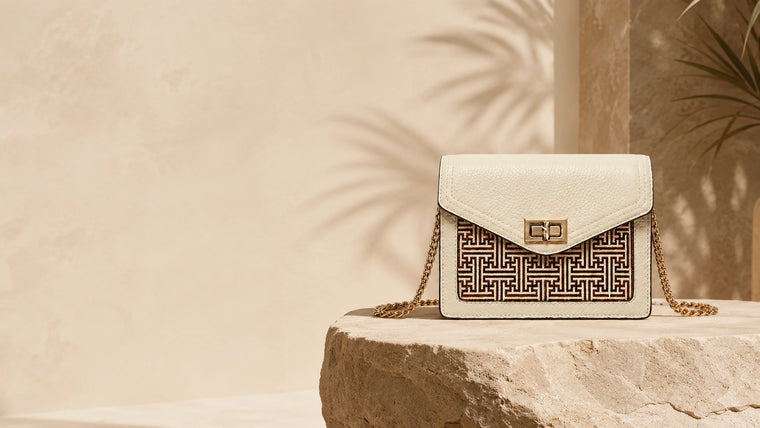
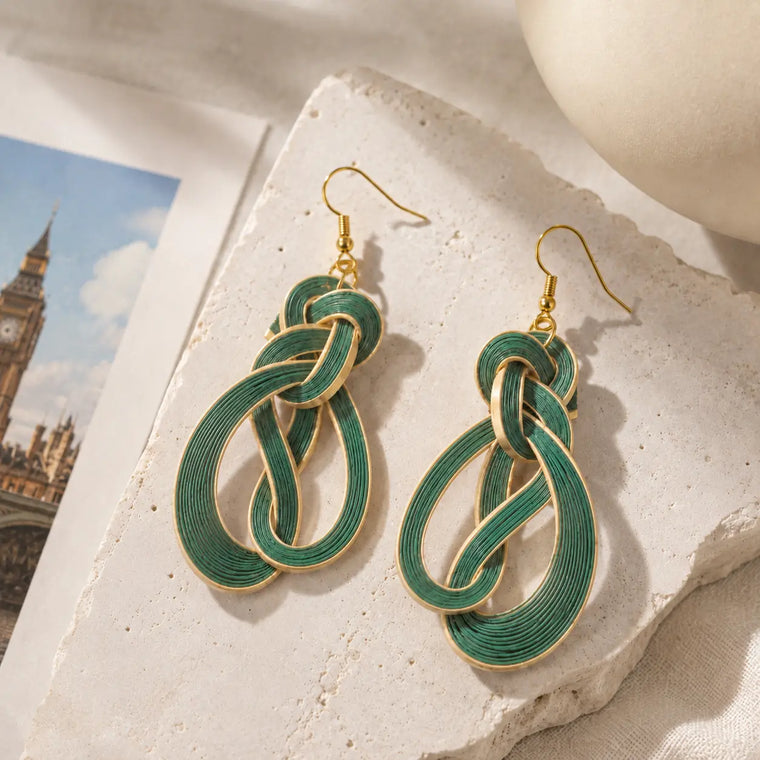
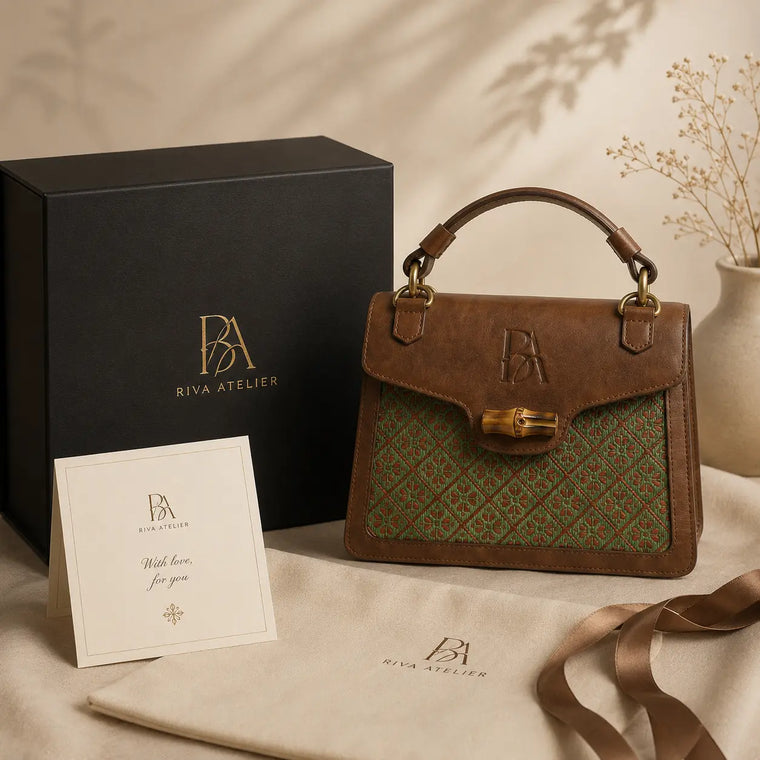
You can see this material approach in the Bamboura Earrings collection, where bamboo is shaped into lightweight wearable forms, and in the Bamboura Handbags collection, where woven structure becomes part of modern styling.
Bamboo craft is a balance between nature and control. Heat can shape it, airflow can protect it, and careful handling can help preserve its texture over time.
For Bamboura, this balance is central to our vision of logo-free luxury accessories. Through handwoven bamboo earrings, structured bamboo bags UK and future bespoke pieces, we continue to explore how natural material care can become part of modern elegance.
Bamboura
A modern bamboo atelier reimagining bamboo craft through contemporary design.
Email: service@bamboura.co.uk
Phone: +44 7962883533 (Mon-Fri 10:00-15:00 GMT)
BAMBOURA LTD