
Discovering Moso Bamboo: The Natural Foundation of Woven Accessories
Material — The Bamboo Behind the Craft

Material — The Bamboo Behind the Craft
Not every bamboo is the same. In traditional bamboo craft, the choice of species matters because each bamboo has its own strength, fibre direction, wall thickness and ability to be split into fine strips.
Moso bamboo, also known as Phyllostachys edulis, is one of the most recognised bamboo species used in Chinese craft and material culture. Its straight form, firm structure and useful thickness make it especially important for woven work and structural details.
At Bamboura, we are interested in Moso bamboo not simply because it is strong, but because it helps explain why bamboo can become refined, natural accessories for modern life.
What Is Moso Bamboo?
Moso bamboo is a large bamboo species known for its height, straight growth and strong culm structure. The culm is the main stalk of the bamboo, and it is the part most closely connected with bamboo craft.
Its long, upright form makes it useful for preparing strips, framework and shaped details. For artisans, this natural straightness matters because it supports cleaner splitting and more consistent material preparation.
This is one reason Moso bamboo has become closely associated with bamboo craft. It offers both scale and structure, allowing the material to move from raw plant to refined object.
Why Bamboo Species Matter in Craft
Bamboo weaving does not begin with the pattern. It begins with material selection.
A bamboo species that works well for one purpose may not be suitable for another. Some bamboo may be better for fine weaving strips, while others may be better for structural parts, handles, bases or decorative framework.
For handwoven bamboo accessories, this distinction is important. The material must be light enough to feel wearable, but strong enough to hold form and support the finished design.
Why Moso Bamboo Is Valued for Structure
Moso bamboo is valued because it has a firm character and a naturally straight grain. This makes it useful when artisans need bamboo that can be split, shaped and prepared with consistency.
In woven accessories, structure is not only about strength. It is also about proportion, balance and the way the material holds its silhouette.
This is especially relevant for structured bamboo bags UK, where the final piece needs to feel composed rather than overly soft. A refined woven bag depends on material that can support both form and texture.
How Moso Bamboo Supports Handwoven Design
The beauty of bamboo lies in the relationship between strength and lightness. A well-prepared bamboo strip can be narrow and flexible, yet still carry enough structure to support a woven surface.
This allows artisans to create pieces that feel tactile and natural without becoming heavy. It is one reason bamboo belongs within the wider world of lightweight bamboo accessories and handwoven bamboo accessories.
For customers who already know raffia bags, basket bags or woven summer bags, bamboo offers another expression of natural material craft. It has a different texture, a different structure and a quieter visual language.
Bamboo, Raffia and the Woven Bag Language
Overseas consumers often discover natural woven accessories through words like raffia bag, basket bag, woven bag or summer basket bag. These terms are useful because they describe a familiar visual world: warm texture, handwoven surfaces and easy summer styling.
Bamboo sits within that world, but it should not be confused with raffia, straw or rattan. It has its own structure and craft behaviour.
For Bamboura, this creates an opportunity to speak to shoppers who love the look of a woven bag, but want something more distinctive: a bamboo-based interpretation of natural woven accessories.
Why Moso Bamboo Fits Quiet Luxury
Quiet luxury is not only about plain colours or minimal branding. It is also about material honesty, restraint and the ability to appreciate subtle texture.
Moso bamboo fits this idea because its value is not loud. Its beauty comes from grain, tone, fibre and the handwork required to prepare it.
This makes bamboo a natural choice for logo-free luxury accessories. The material does not need to shout. Its texture and structure already tell a story.
What This Means for Modern Accessories
Modern accessories need to work across different moments: city errands, summer travel, resort dressing, relaxed dinners and everyday styling.
This is why woven materials remain so relevant. They bring warmth and texture to a wardrobe without feeling overly formal.
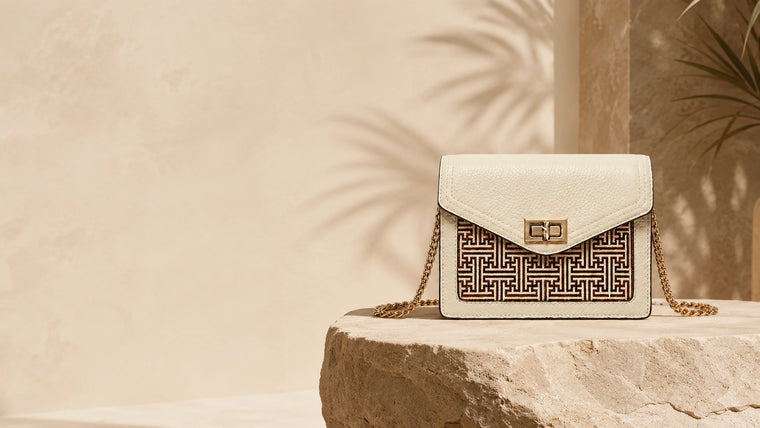
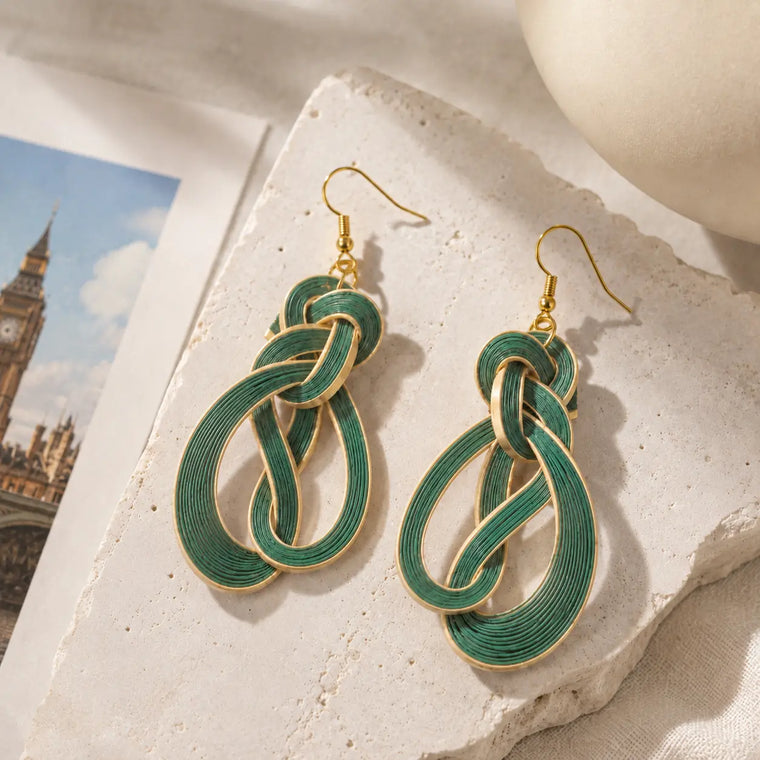
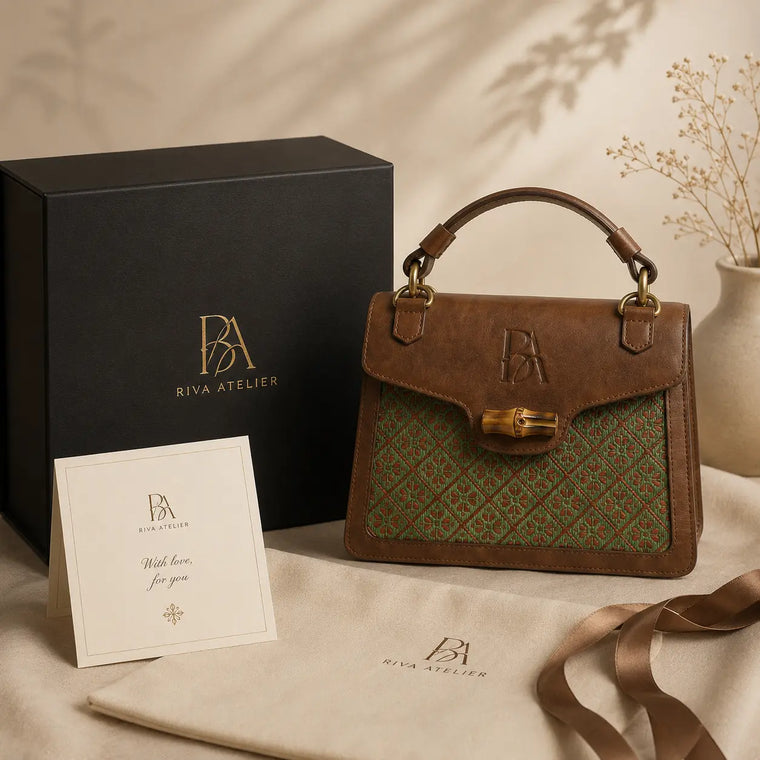
You can see this material direction in the Bamboura Earrings collection, where bamboo becomes lightweight wearable form, and in the Bamboura Handbags collection, where bamboo structure and woven craft support a more sculptural accessory language.
How Bamboura Interprets Moso Bamboo
At Bamboura, Moso bamboo is not treated as a simple raw material. It is part of a wider craft system that includes selection, splitting, shaping, weaving and finishing.
The strength of bamboo matters, but so does its sensitivity. A good bamboo accessory depends on knowing which part of the material to use, how to prepare it and how to let its natural texture remain visible.
This is where traditional bamboo craft becomes relevant to contemporary fashion. The material is old, but the expression can feel modern, refined and quietly distinctive.
Moso bamboo reminds us that a beautiful accessory begins before design. It begins with the plant, the stalk, the grain and the artisan’s understanding of what the material can become.
For Bamboura, this is the foundation of our approach to natural accessories for women: handwoven texture, thoughtful structure and quiet refinement shaped from bamboo.
Bamboura
A modern bamboo atelier reimagining bamboo craft through contemporary design.
Email: service@bamboura.co.uk
Phone: +44 7962883533 (Mon-Fri 10:00-15:00 GMT)
BAMBOURA LTD